

To prepare a rowhome or twin for winter in Conshohocken or Norristown, test your furnace or boiler in October before the first freeze, bleed air from all second- and third-floor radiators, verify your carbon monoxide alarms are less than 7 years old, inspect the chimney cleanout door for fallen soot debris, replace your furnace air filter, and insulate exposed water pipes in unconditioned basements. Shared-wall buildings retain heat well, but basement drafts and older flues present unique safety risks.
Historic rowhouses and brick twins across Conshohocken and Norristown feature compact floor plans and shared masonry party walls. While shared walls provide a natural thermal buffer against bitter winter winds, narrow cellar basements and older heating equipment require disciplined pre-season inspection.
At Littlejohn Air Pros, our technicians service hundreds of older urban properties each winter. Following this comprehensive 6-point checklist helps homeowners, landlords, and tenants avoid emergency freeze-outs and dangerous carbon monoxide conditions.
The 6-Point Rowhome Winter Preparation Checklist
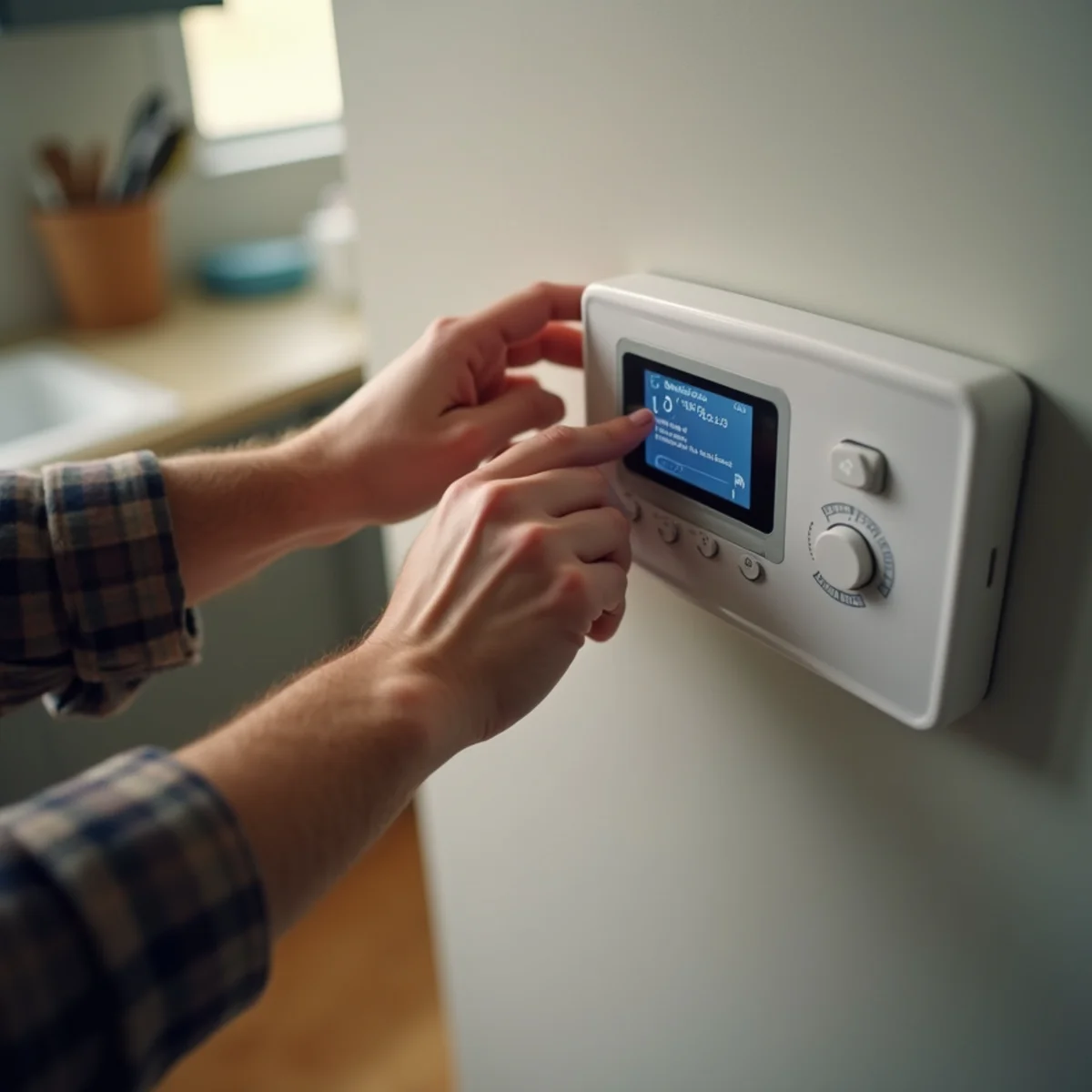
- October Test Fire: Turn your thermostat up to 72°F on a mild October evening for at least 20 minutes. Listen closely for delayed ignition booms, watch for smoke or soot around the burner chamber, and confirm that heated air or water circulates freely before cold snaps hit.
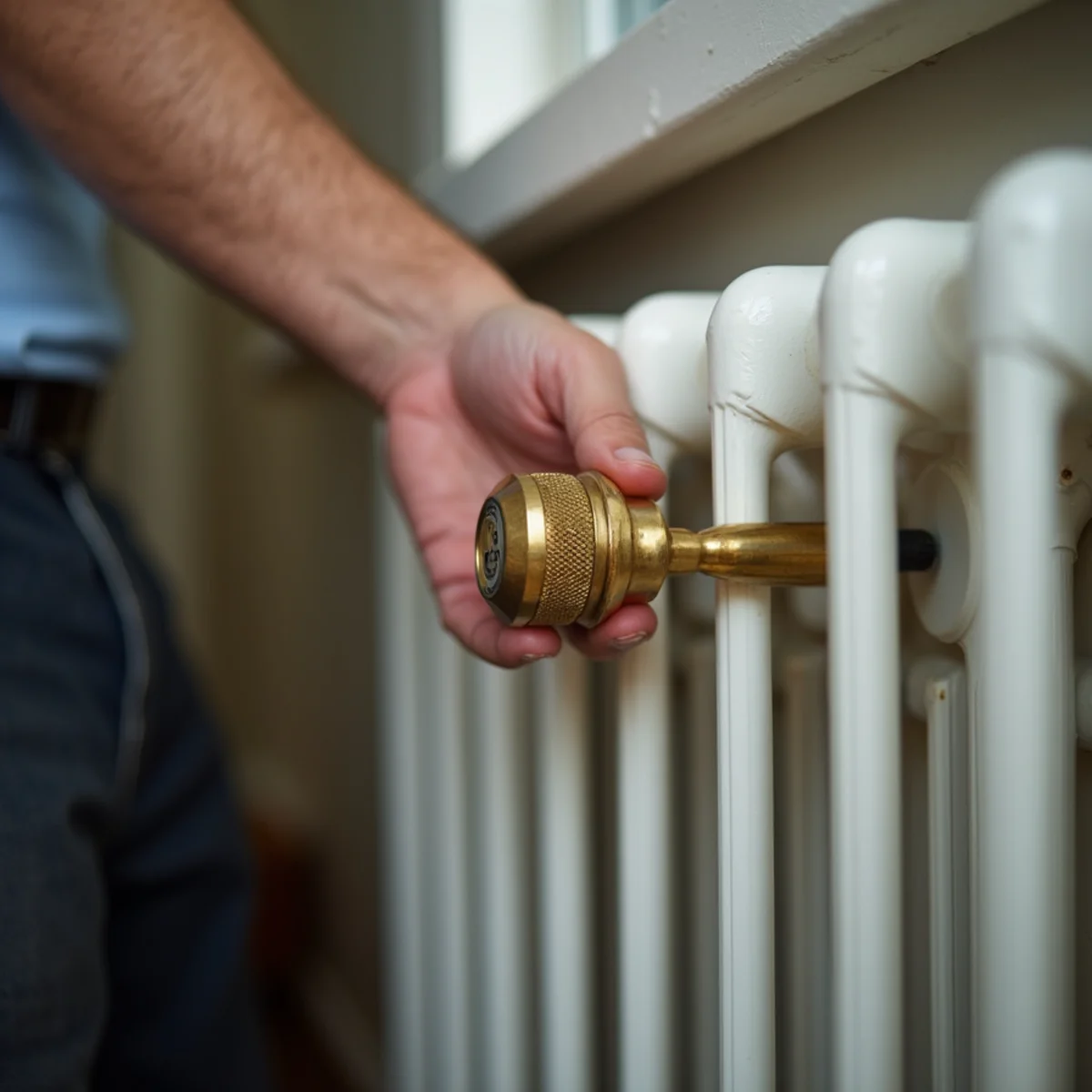
- Bleed Upper-Floor Radiators: Air naturally migrates to the highest point in hydronic systems. In three-story rowhomes, top-floor cast-iron radiators frequently stay cold due to trapped air locks. Use a brass radiator key to bleed air until hot water flows steadily.
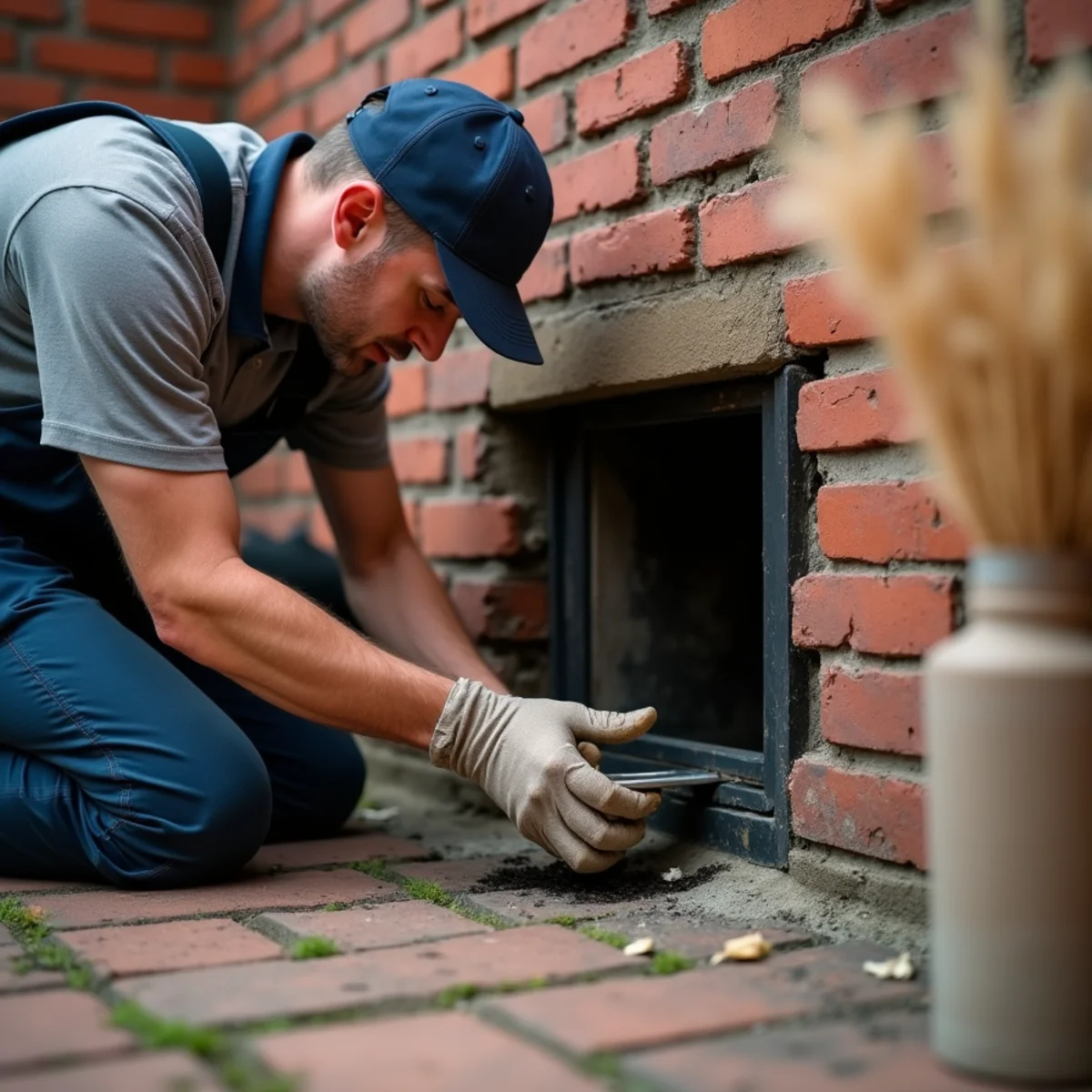
- Inspect Chimney Base & Flue Connection: Masonry chimneys in older rowhomes can shed terracotta liner fragments after decades of use. Open the bottom cleanout door in your basement and vacuum out debris that could block furnace or water heater exhaust.
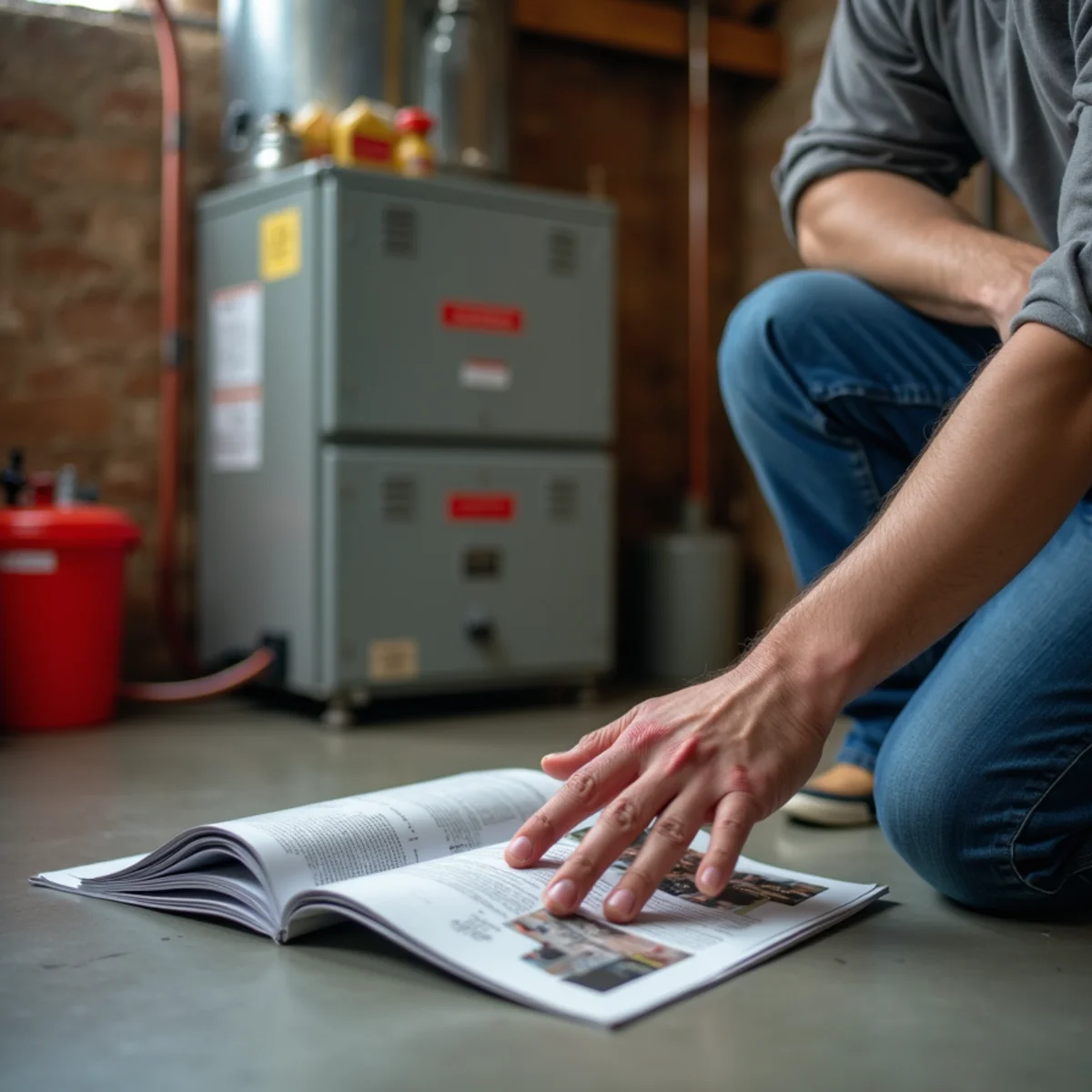
- Clear Basement Clutter Around Equipment: Pennsylvania fire codes require at least 30 inches of clear space around gas valves, burners, and electrical panels. In compact rowhome cellars, never store cardboard boxes, laundry hampers, or paint cans near your heater.
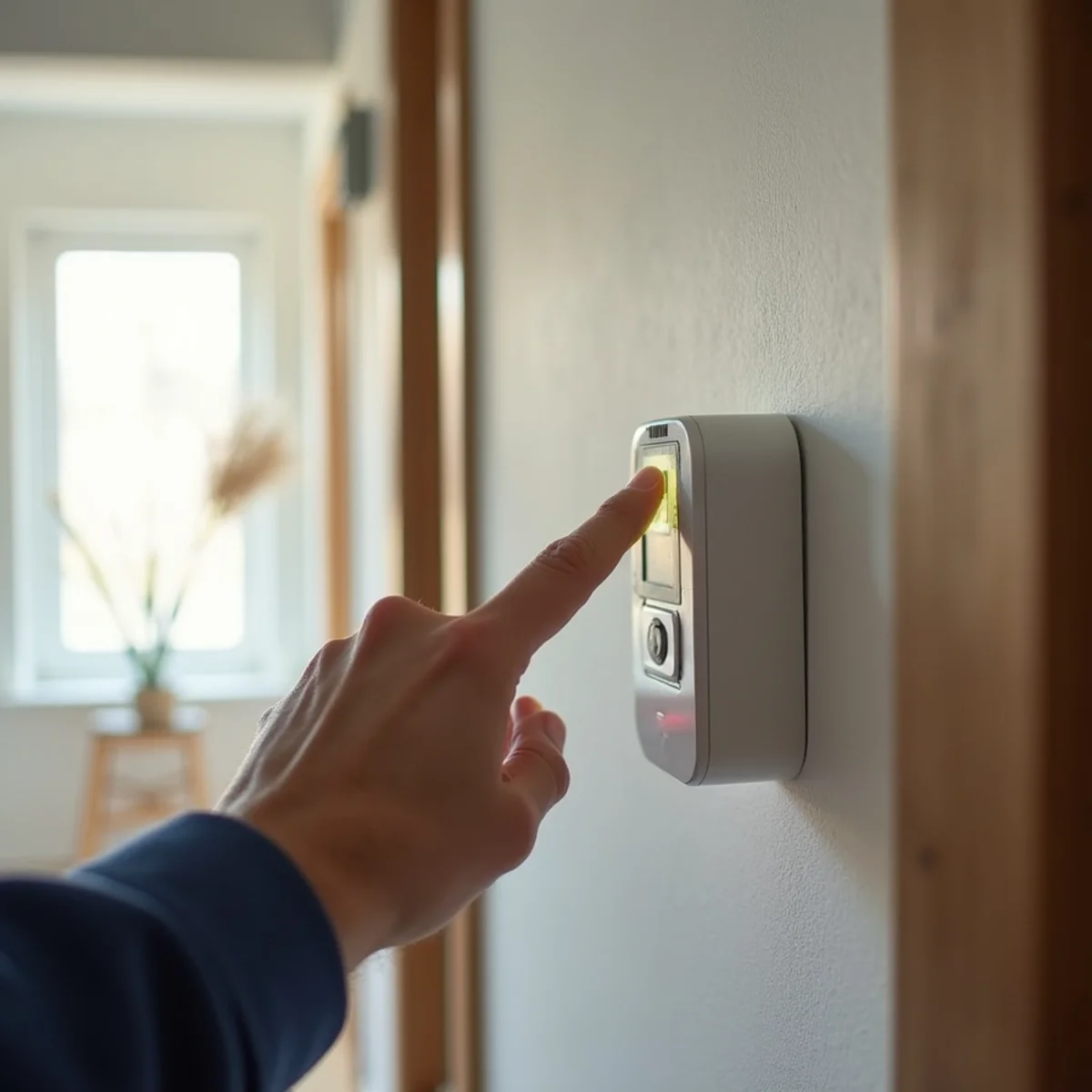
- Test Carbon Monoxide Detectors: Shared party walls and common chimney flues mean combustion gases can migrate between neighboring properties. Ensure you have working digital CO alarms on every floor, especially outside bedrooms.
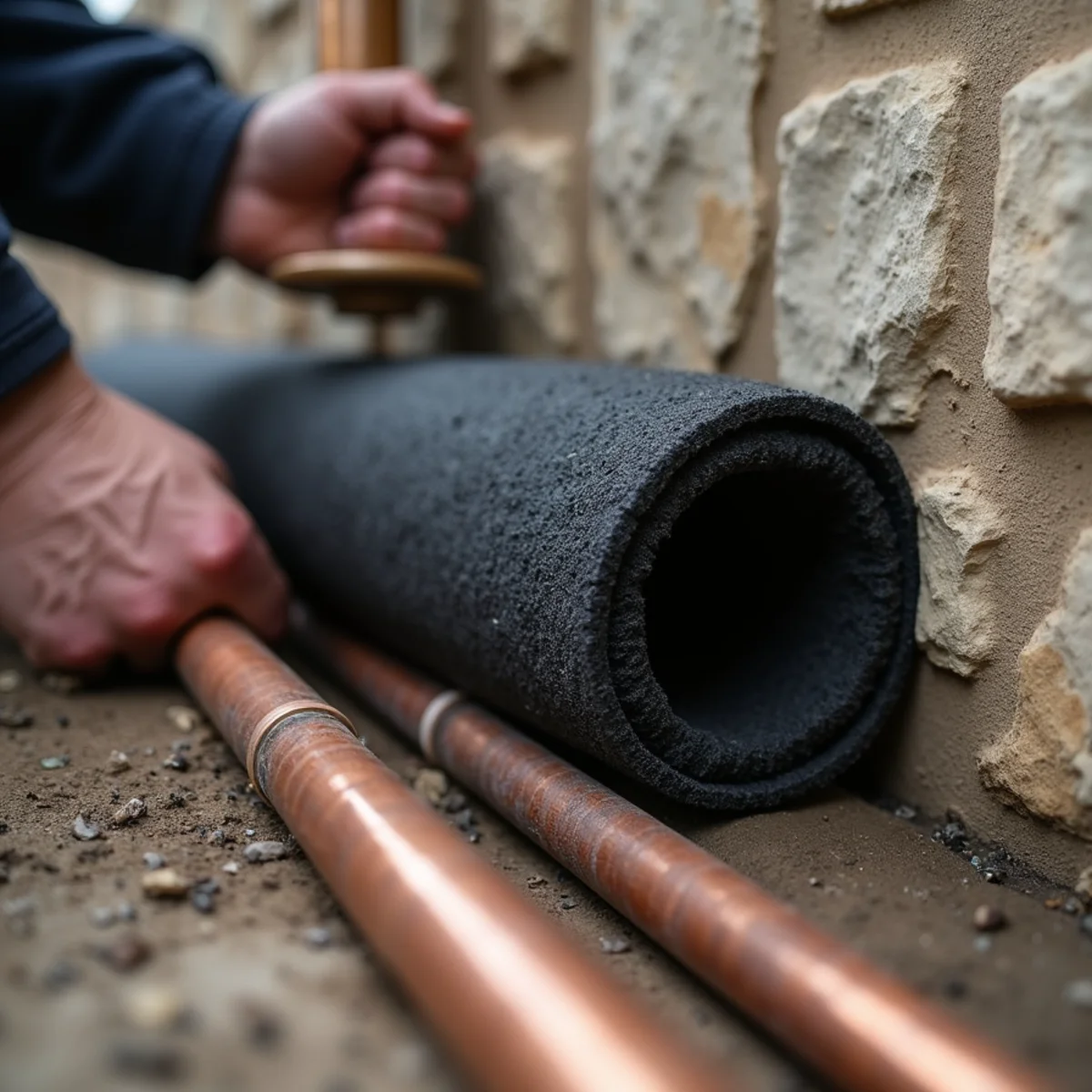
- Insulate Front and Rear Basement Walls: Uninsulated stone rubble foundations and drafty cellar doors allow freezing winds to penetrate. Installing closed-cell foam insulation tubing over exposed copper plumbing pipes prevents costly pipe bursts during polar vortex events.
Party Wall Thermodynamics: Why Rowhomes Heat Differently Than Detached Homes
Rowhouses and twins exhibit unique heat transfer dynamics due to shared brick or stone party walls. In an interior rowhome, only the front and rear exterior walls are exposed to winter outdoor air. Because shared walls act as thermal heat reservoirs absorbing and radiating warmth from adjacent homes, overall heat loss (BTU demand) is often 30% to 40% lower than an identical detached single-family house.
However, this advantage can lead to severe equipment oversizing if an HVAC contractor uses crude square-footage formulas instead of performing an official ACCA Manual J load calculation. An oversized furnace in a rowhome short-cycles repeatedly, blasting rooms with intense heat for three minutes before shutting off, creating uncomfortable temperature swings and prematurely wearing out ignition controls.
Need emergency heating or AC repair in Broomall?
Dispatchers are on call 24 hours a day to send an insured technician to your home.
Basement Clearance & Combustion Air in Older Stone Foundations
Many historic rowhomes in Montgomery and Delaware Counties feature narrow fieldstone foundations with ceiling heights under six feet. Natural gas and fuel oil combustion equipment require a steady supply of fresh oxygen to burn cleanly. In tight basements where dryer vents, weatherstripped doors, or stored items restrict ventilation, furnaces can become combustion-air starved.
Air starvation causes incomplete combustion, generating toxic carbon monoxide and heavy soot accumulation. During annual maintenance, technicians measure draft pressure inside the flue pipe and inspect the burner flame for telltale yellow tips that indicate oxygen deprivation.
Boiler vs. Forced-Air Considerations in Urban Borough Construction
Whether your property relies on cast-iron steam radiators or a compact forced-air furnace, pre-season preparation prevents cold-weather emergencies:
- For Boiler Systems: Flush your low-water cutoff valve weekly during winter to remove sediment, verify the Pressuretrol is set below 2 PSI on steam boilers, and check that all radiator valves are fully open or fully closed.
- For Forced-Air Furnaces: Replace standard 1-inch pleated filters every 30 to 60 days, verify basement supply registers are open to keep the cellar warm, and ensure outdoor exhaust flues are clear of snowdrifts.
Explore our specialized furnace repair services and boiler repair services or call (321) 478-0693 to schedule an annual heating inspection before winter arrives.